You don't have to leave Jobber to get serious AI automation. Jobber is excellent at what it does — scheduling, dispatch, invoicing, job management. The businesses adding $80K–$150K in annual revenue aren't replacing Jobber. They're layering an AI automation system on top of it.
Editorial Note
This guide is educational. Any workflow examples, operational estimates, or financial illustrations should be validated against your own systems and data; they are not AI Strategy Partners client results or a promise of performance. Where sources are linked, they support the specific external context cited.
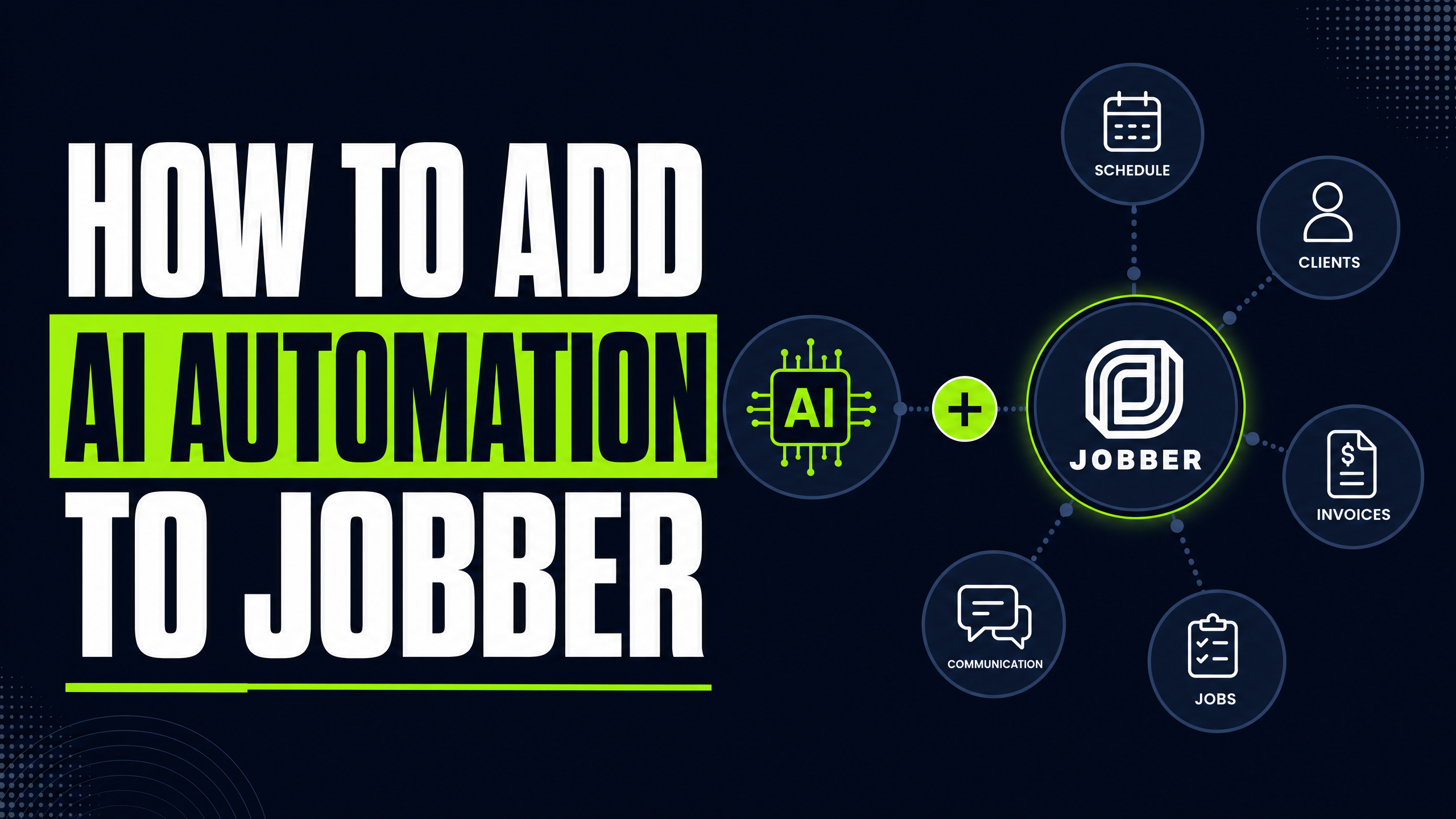
What Jobber Handles Well — Keep It
Jobber's core strengths are job management, scheduling, dispatch, client communication, invoicing, and the mobile app experience for technicians. These are mature, reliable features that your team already knows. There's no reason to replace them. The goal is to add AI capabilities that Jobber doesn't have — not to rebuild what's already working.
What Jobber Doesn't Handle — Add This
The revenue functions that Jobber doesn't cover are: outbound follow-up sequences for prospects who didn't book, AI voice agents for after-hours and overflow calls, multi-channel lead nurturing (SMS + email + voicemail), reputation management automation, seasonal re-engagement campaigns for past customers, and missed call text-back within 60 seconds. These are the functions that directly drive revenue — and they're all available through a separate AI automation system.
The Integration Architecture
Connecting Jobber to an AI automation system works through a native integration or webhook connection. When a new customer is created in Jobber, the data syncs to the automation system. When a job is completed, the automation system triggers a review request. When a quote goes unanswered for 48 hours, the automation system sends a follow-up sequence. The two systems run in parallel — Jobber handles operations, the automation system handles revenue.
The Automation Sequences That Matter Most
The four sequences that generate the most ROI for Jobber users are: (1) Missed call text-back — when a call goes unanswered, an automated SMS goes out within 60 seconds. (2) Estimate follow-up — a 5-touch sequence over 7 days for prospects who received a quote but haven't booked. (3) Post-job review request — automated SMS 24 hours after job completion asking for a Google review. (4) Seasonal re-engagement — automated outreach to customers who haven't booked in 6–12 months.
Real Numbers: What This Stack Costs vs. What It Recovers
A typical Jobber + AI automation stack costs $300–600/month total. For an HVAC company with 15 missed calls per week at an average job value of $800, recovering just 30% of those calls generates $187,200 in additional annual revenue. The stack pays for itself within the first week of operation. The ongoing ROI compounds as the re-engagement and review sequences build momentum.
Ready to Find Your Revenue Leaks?
Before you build your stack, find out exactly which revenue leaks to plug first. The AI Profit Leak Audit takes 5 minutes and shows you where to start.
Free audit · No credit card · Results in 5 minutes